Saturday, November 21, 2009

Ovarian Cancer! Can Alternative Medicines Really Work Against Ovarian Cancer?

By Grahaam A. E. Maartin

Ovarian Cancer! The question we are going to ask is. Do herbal products like N-Tense and Graviola Really work? The results seem very positive, enough to sayYes!

Are you frightened by the thought of getting Ovarian Cancer? Do the words "Ovarian Cancer" worry you? The words are very emotive aren't they? Well now it appears that there is some very good 'natural' help available to you Graviola and N-Tense!

Usually, the large majority of doctors and medical practitioners although to be fair, not all, do not support the use of natural products like Graviola and N-Tense in treating "Ovarian Cancer". Often calling them "fringe or quack" remedies, simply because the medical institutions don't teach the students about them.

The fact that many of these herbal remedies may really be quite beneficial to you is now supported by growing evidence. N-Tense and Graviola are two in particular that are showing promising results in patients with Ovarian Cancer, sometimes in case where traditional chemo doesn't work. Would you use it?

In 2001 The HSI organisation (Health Sciences Institute) featured an article with the headline "Billion-dollar Drug Company nearly squashes astounding research on natural cancer killer" It says. "Cancer conquered with miracle tree from the Amazon found to be 10,000 times stronger than chemotherapy". Can you believe that! 10.000 times stronger and yet some unethical greedy pharmaceutical company tried to squash it because they couldn't patent a plant that just might stop Ovarian Cancer! Disgusting! That tree was Graviola! So what exactly is Graviola?

Graviola is a tree that is indigenous to the Amazon Rainforests and some other parts of South America. It's not really a huge rainforest tree, in fact it is a relatively small evergreen "shrub" (in Rainforest terms) growing to only 5 to 6 metres tall. But in terms of having cancer cell fighting properties, it's an absolute giant!

Much of the research already completed has found that plenty of the annonaceous acetogenins or phytochemicals (chemical compounds that occur naturally in plants) found in the seeds, stem and leaves of Graviola tree are cytotoxic against various cancer cells and tumour cells. In herbal medicine, all these plant parts are used.

That is the very good because, quote:- (Cytotoxic: Toxic to cells, cell-toxic, cell-killing. Any agent or process that kills cells. Chemotherapy and radiotherapy are forms of cytotoxic therapy.) The HSI article says the tree has been studied in over 20 laboratory tests since the'70s, and it has shown to: Effectively target and kill malignant cells in 12 different types of cancer, including pancreatic, lung, colon, prostate and Ovarian Cancer. Be 10,000 times stronger in killing Ovarian Cancercells than Adriamycin, a commonly used chemotherapeutic drug. Selectively hunt down and kill cancer cells without harming healthy cells, unlike chemotherapy.

Also a plant screening program back in'76 by the National Cancer Institute also showed that Graviola showed active cytotoxicity against cancer cells and various researchers have been following up on this research ever since and have found that Graviola was a cancer killing dynamo. Herbal products have been used worldwide almost since the time when man first walked on the earth, (well for thousands of years at least.) If you or your loved ones suffer from this terrible ailment, then I would strongly recommend that you read the HSI article on Graviola and N-Tense here. It's a real eye opener!

In addition to the above it has been shown that taking additional herbal products such as "Immune Support" to boost the immune system may be beneficial!

So, could Graviola and N-Tense help you in the fight against Ovarian Cancer? It appears that the answer is a resounding yes!

Health Disclaimer! This information must not be taken as professional or personal medical advice or instruction. Never take action based solely on this article's contents. You should 'always' consult with a professional health practitioner on important matters relating to your own health and well-being. The information and opinions expressed here are believed to be sound and accurate, based on the author's best information available at the time. Any reader, who fails to consult with the appropriate medical and health authorities, "assumes ALL responsibility of any resulting injuries". The publisher is not responsible for errors or omissions.

About the Author:

Monday, November 16, 2009

Plastic surgery advertising regulation push in Britan.

plastic surgery marketing

Cosmetic surgery can carry risks as well as benefits

Several newspapers have reported the dangers associated with cosmetic surgery, including a lack of regulation in some areas of the industry. The reports also feature warnings from Nigel Mercer, the president of the British Association of Aesthetic Plastic Surgeons, who voiced his views as part of a series of medical articles on cosmetic surgery.  Mr Mercer called for tighter regulation and testing of drugs, procedures and implants to offer more protection to patients.

The Times reported that the number of cosmetic surgical operations conducted by “audited members of the profession” has more than tripled to 34,000 since 2003, but that many additional procedures are being carried out on the black market. The newspaper says that these are “fuelled by internet promotions, magazine advertising and aggressive discounting”.


What is the basis for these news reports?

The reports were based on a special edition of the journal Clinical Risk, which featured several articles on the issues surrounding cosmetic surgery. These issues include the potential for physical and psychological harm, and the need for tighter regulation of the industry, better training programms for surgeons and measures to improve patient experience.

Nigel Mercer, president of the British Association of Aesthetic Plastic Surgery, wrote an accompanying editorial arguing that the availability of consumer credit and a change in public attitudes has led to an explosion in cosmetic surgery in recent years. According to Mercer, this growth, combined with increasing public expectation and media hype, has resulted in “the perfect storm in the cosmetic surgical market”.


What is cosmetic surgery?

Cosmetic surgery, sometimes called aesthetic surgery, was described by a doctor in the journal Clinical Risk as being “purely elective, a lifestyle choice undertaken to enhance physical appearance, improve self-esteem and boost confidence”. Another doctor says that it differs from all other forms of surgery in that it is a treatment for “want” rather than for “need”.

In the 2005 Regulation of Cosmetic Surgery report, published by the Department of Health, cosmetic surgeries are defined as “operations and other procedures that revise or change the appearance, color, texture, structure or position of bodily features, which most would consider otherwise to be within the broad range of ‘normal’ for that person”.

Cosmetic surgery differs from plastic surgery, which is generally surgery to repair or reconstruct tissue or skin damaged by congenital (inherited) disease, injuries or burns. The primary role of plastic surgery is to restore function, and aesthetic improvement is secondary.


How is cosmetic surgery currently regulated in the UK?

At present, there are measures and standards to help regulate the industry but some cosmetic surgeons operate outside these regulations. Some treatments and procedures are unlicensed for cosmetic use, but can be given the discretion of doctors, or “off license”, by some clinics.

Surgical practice in the UK is regulated by the General Medical Council (GMC) and practicing surgeons should be enrolled on its specialist register. However, some concessions are made for private cosmetic surgeons who have been practicing since before April 2002. By satisfying certain criteria, these doctors can practice without the need to be on the specialist register.

Invasive cosmetic surgery and laser treatments are also regulated under the Care Standards Act 2000. The Healthcare Commission inspects all registered establishments that carry out invasive procedures and laser surgery in the UK, and has the power to revoke practice licenses and to take enforcement action.

Some cosmetic surgical procedures are not covered by current regulations, such as Botox injections and injections of aesthetic fillers. Botox is not licensed for cosmetic use, but it can be prescribed “off license”, in which circumstances the doctor assumes liability for its use. Most fillers are tested in the UK as “devices” rather than as drugs. This means that they are regulated based on the standard of their production and not on whether the treatment works.

The Department of Health report concluded that the regulatory situation for cosmetic surgery was not satisfactory because of the group of doctors who can practise without being on the GMC specialist register and the lack of clarity around the definition of “fillers”. Although practitioners of cosmetic surgery must demonstrate certain competencies, these may not be the equivalent standard of NHS consultants.


What do these journal articles say about cosmetic surgery?

The authors of these articles have argued several opinions, including that:

  • Patient psychology should be considered by clinical staff as issues of mental health and body image may be behind the desire for cosmetic changes. These could also arise in people who feel disappointed or upset by the results of their surgery.
  • Surgeons should keep records detailing their patients’ expectations and provide them with guidance on whether these are realistic.
  • There are risks associated with any type of surgery and patients should be informed of these and their surgeon’s success rates when considering procedures.
  • It is important that patients are given time to consider their options. Doctors should also inform patients about alternative treatments that may be available.
  • Before procedures are carried out, it should be clear who will be financially liable for the correction of any complications.
  • There may be some merits to adopting a regulation system similar to that in France. Under this system, patients must be given information on costs, risks and the surgeon’s qualifications to perform their selected procedures.
  • The way that cosmetic surgery is marketed should also be regulated.

What is the problem with plastic surgery marketing?

Mercer says that cosmetic procedures are often marketed using special offers, including vouchers, two-for-one deals and surgery holidays, and that these practices contribute to an “unregulated mess”. 

The articles also feature a call to ban advertising of cosmetic procedures, stating that, like tobacco, there should perhaps be a Europe-wide ban on advertising all cosmetic surgical procedures, including on internet search engines. While advertising can be powerful, says Mercer, it is often misused by the cosmetic surgery industry and misinterpreted by those it is aimed at.


Where can I find more information on reputable plastic surgeons?

The British Association of Aesthetic Plastic Surgery is a not-for-profit organization based at the Royal College of Surgeons. It was established to advance the education and practice of cosmetic surgery for public benefit. While it is not a regulatory body, it has long been involved in giving the public information on the safety of cosmetic surgery.

Its research into cosmetic surgery tourism was discussed at a recent conference and its press releases highlight a number of dangers associated with unregulated procedures, including DIY injectable treatments available over the internet.

via nhs.uk

Posted via web from Laser Treatment MD

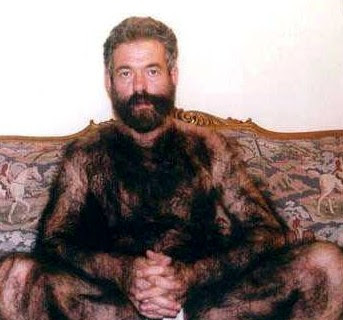
Laser Hair Removal for the very hairy.

HairyGuy.jpgIn real need of some laser hair removal.

Sid Schwab's blog has a post on young man who'd undergone surgery for a pilonidal cyst and has some comments on big hairy men, but it was this image that jaw-dropped me. High school must have been hell for this guy.

I'm guessing that if you're offering a guarantee and this guy walks in, you might as well just close your doors. You should give your poor tech a bonus at the least.

To my knowledge, we've never had a patient who had this amount of body hair but then again, I'm not in the laser clinic treatment rooms.

I'm wondering if anyone has any experience with the uber-hairy?

This post on laser hair removal for the very hairy got so many spam comments I had to close them.

Posted via web from Laser Center

Cervical Cancer! Can Alternative Medicines Really Work Against Cervical Cancer?

By Grahaam A. E. Maartin

Cervical Cancer! The question we are going to ask is. Do herbal products like N-Tense and Graviola Really work? The results seem very positive, enough to sayYes!

Are you frightened by the thought of getting Cervical Cancer? Do the words "Cervical Cancer" worry you? The words are very emotive aren't they? Well now it appears that there is some very good 'natural' help available to you Graviola and N-Tense!

Usually, the large majority of doctors and medical practitioners although to be fair, not all, do not support the use of natural products like Graviola and N-Tense in treating "Cervical Cancer". Often calling them "fringe or quack" remedies, simply because the medical institutions don't teach the students about them.

Evidence is growing however, in support of the fact that many of these botanicals may be really quite beneficial. Two of these herbal remedies in particularly, 'Graviola' and 'N-Tense are showing some quite remarkable results in "Cervical Cancer" patients. Often in cases where chemotherapy and traditional treatment didn't work. Would you use it?

In 2001 The HSI organisation (Health Sciences Institute) featured an article with the headline "Billion-dollar Drug Company nearly squashes astounding research on natural cancer killer" It says. "Cancer conquered with miracle tree from the Amazon found to be 10,000 times stronger than chemotherapy". Can you believe that! 10.000 times stronger and yet some unethical greedy pharmaceutical company tried to squash it because they couldn't patent a plant that just might stop Cervical Cancer! Disgusting! That tree was Graviola! So what exactly is Graviola?

Graviola is an indigenous to South America and some parts of the Amazon Rainforests It's not exactly big either growing only 5 to 6 metres high. But in regards to having "Cervical Cancer" attacking properties, it's massive! Anyone interested in beating "Cervical Cancer" should know more about this life saver.

Much of the research already completed has found that plenty of the annonaceous acetogenins or phytochemicals (chemical compounds that occur naturally in plants) found in the seeds, stem and leaves of Graviola tree are cytotoxic against various cancer cells and tumour cells. In herbal medicine, all these plant parts are used.

Excellent news because, quote:- (Cytotoxic: Toxic to cells, cell-toxic, cell-killing. Any agent or process that kills cells. Chemotherapy and radiotherapy are forms of cytotoxic therapy.) The HSI says in this article that the tree has undergone more than 20 laboratory studies and tests since the'70s, where it's been shown to: Effectively target and kill malignant cells in 12 different types of cancer, including lung, Prostate, colon, Bowel, and pancreatic cancer. Be 10,000 times stronger in killing Cervical Cancer cells than Adriamycin, a commonly used chemotherapeutic drug. Without harming healthy cells, it can selectively hunt down and kill cancer cells, unlike chemotherapy.

Also a plant screening program back in'76 by the National Cancer Institute also showed that Graviola showed active cytotoxicity against cancer cells and various researchers have been following up on this research ever since and have found that Graviola was a cancer killing dynamo. Herbal products have been used worldwide almost since the time when man first walked on the earth, (well for thousands of years at least.) If you or your loved ones suffer from this terrible ailment, then I would strongly recommend that you read the HSI article on Graviola and N-Tense here. It's a real eye opener!

In addition to the above it has been shown that taking additional herbal products such as "Immune Support" to boost the immune system may be beneficial!

N-Tense and Graviola, could they help you in the fight against Cervical Cancer? The answer it appears is yes, it can!

Health Disclaimer! This information must not be taken as professional or personal medical advice or instruction. Never take action based solely on this article's contents. You should 'always' consult with a professional health practitioner on important matters relating to your own health and well-being. The information and opinions expressed here are believed to be sound and accurate, based on the author's best information available at the time. Any reader, who fails to consult with the appropriate medical and health authorities, "assumes ALL responsibility of any resulting injuries". The publisher is not responsible for errors or omissions.

About the Author:

Sunday, November 15, 2009

Designer vagina craze worries doctors.

There is mounting concern about a vaginal plastic surgery procedure more and more Australian women are having.

Each year more than 1,200 Australian women undergo surgery on their genitalia in a procedure known as labioplasty.

Doctors and surgeons fear that some women may be having the operation unnecessarily and there are concerns about operations being done by unqualified medical professionals.

In Britain, where the procedure is equally popular, medical experts are warning of a shocking lack of information about the risks and long-term impact.

It is controversial surgery but it is booming nonetheless.

For some, labioplasty is an exercise in Hollywood-style vanity, while for others it is a transformative procedure that trims, sculpts and restores a woman's genitalia.

But there have been no studies to prove its long-term safety and doctors are worried about its ballooning popularity.

Dr Ted Weaver from the Royal Australian College of Gynaecologists says there are concerns.

"We put out about a statement from our college a couple of years ago, highlighting concerns about this designer vagina craze because we felt that often it did prey on fears of women and women's insecurity about their particular genital appearance," he said.

"The surgery's potentially damaging. It could potentially lead to further problems for a woman as a result of surgery and may not fix her insecurity."

Dr Kourosh Tavakoli is a member of the Australian Society of Plastic Surgeons and a fellow of the Australasian College of Surgeons.

He has been performing the labioplasty for seven years and is seeing a 100 per cent increase in that number year on year.

"Let's not kid ourselves. The last survey in my practice was 80 per cent for cosmetic and I would say for psychological reasons - that's what I see as a function," he said.

"There are two reasons [women give for having the surgery] - I can't get comfortable during sex and the number two reason is essentially pure physical, in terms of running or jogging and not being able to wear a leotard or cossie."

Labioplasty can cost between $4,000 and $6,000 and is often covered by Medicare.

Safety fears

Dr Tavakoli says it is a lucrative field, but he fears some practitioners are not up to the task.

"I have seen horrendous results from them. I mean there's three groups doing it - plastic surgeons, gynaecologists and GP surgeons in their offices, without proper lighting or sedation or anything," he said.

"I think the last group is a concern because they can take excess tissue and cause problems."

Research published in the British Journal of Obstetrics and Gynaecology is questioning the value of the labioplasty, with concerns that many women seek the surgery without fully understanding the risks. British medical experts are also questioning the ethics of the surgery.

Dr Weaver says some women are being exploited.

"We think anybody performing these procedures certainly should be well trained, not only in the surgical technique but also have the training in the ability to try to perhaps dissuade a woman from having it done," he said.

"[They should] also be able to counsel the woman that there is a variation in normal appearance and that she doesn't have to confirm to a picture that she might have noticed in a girlie magazine or something equally ridiculous."

He believes there are women in Australia who are having the procedure unnecessarily.

Dr Tavakoli says patients must be psychologically screened and they must have realistic expectations. But either way, he says the procedure is here to stay.

"I believe it's a good operation. I stand by this operation. I've had enough experience to see the mental transformation that this operation can bring and it will become a mainstay operation in cosmetic surgery," he said.

"But again it needs to be very heavily scrutinised and patient selection is imperative. In the right patient, it will have benefits and patient selection is paramount."

Posted via web from Laser Treatment MD

Cosmetic Dermatology: No wait for Botox or Photofacials.

A study in the Journal of the American Academy of Dermatology says if you want to see a skin doctor about a changing mole, get ready to wait. The average wait time is 26 days. But if you want a Botox shot, it's just eight days, two-and-half weeks shorter. Here in mid-Missouri, two dermatologists say that's not true.

"There's a shortage of dermatologists nationally," dermatologist John Despain said. "Also, patients have direct access to dermatologists for skin care."

Dr. John Despain owns Despain Dermatology Center and Skintuition Medical Spa in Columbia, focusing on cosmetic dermatology like Botox. He says at his practice, clinical appointments always come before cosmetics.

"They are seen on a priority basis within a few days," Despain said. "If they're a new patient, if there's the ability to put them in a new patient slot, they priority over anyone calling for cosmetic concerns, of course."

At Dr. Lindall Perry's practice in Columbia, they treat all appointment requests the same.

"We don't have, quote, 'cosmetic appointments,'" he said.

Although Perry is booked through January, he says patients with skin problems can get appointments.

"We have open appointments in two weeks with our newer staff and they would take both a cosmetic patient, an acne patient, a wart patient," Perry said.

Perry says it can be a challenge juggling business and patient care.

"I like to think I have sound business practices," she said. "I do schedule myself very fully. My staff would say too full. My patients would say too full. We pay attention though to the frustration of long waits."

With a heavy focus on clinical treatments, Perry says he tries to see as many patients as possible. Often leaving the Botox appointments for after hours. He says money is a benefit of his practice, not the motivator.

"My desire everyday is to find every melanoma that's in front of me and not to miss that," he said. 

As for Despain, he likes biopsies just as much as Botox.

"I view them as a compliment to each other," he said. "If I had to choose how to spend my time out of enjoyment or profitability, they're probably equal."

Both doctors say there's certainly a demand in mid-Missouri for cosmetic dermatology, but most of their patients and profits stem from clinical work. In the meantime, if you want to see a dermatologist, the best idea is to plan ahead.

Posted via web from Laser Treatment MD

Cosmetic surgeons demand ban on advertising... cosmetic surgery!

An estimated 100,000 cosmetic surgical procedures are performed in Britain each year, many by doctors who have had no specialist training in cosmetic surgery. In addition, hundreds of thousands of non-surgical procedures are done, including Botox for wrinkles and laser treatments to rejuvenate skin, many by non-medical staff with little or no training.

The 200-member Baaps represents the top surgeons in the business who performed 34,187 surgical procedures in 2008, twice the number in 2004. More than 90 per cent of them were on women. The most popular procedure was breast augmentation, demand for which rose 30 per cent last year.

But Mr Mercer, who combines private practice as a cosmetic surgeon specialising in facelifts with his work as an NHS consultant in reconstructive surgery for cancer patients, said the market for cosmetic surgery, of which Baaps surgeons account for less than one third, was an "unregulated mess".

He added: "There has been a massive increase in marketing, including discount vouchers, two-for-one offers and holidays with surgery. In no other area of medicine is there such an unregulated mess. What is worse is that national governments would not allow it to happen in other areas of medicine. Imagine a two-for-one advert for general surgery. That way lies madness."

Mr Mercer, in the journal Clinical Risk, which publishes articles on cosmetic surgery today, he warns that "the doctor's first duty to protect the patient" has been forgotten in the headlong rush to cash in. "The motive for performing any procedure must never be financial gain ... if we cannot self-regulate then regulation will eventually be imposed."

Citing experience in France, where all advertising of cosmetic procedures is banned, he says: "Perhaps, like tobacco, there should be a Europe-wide ban on advertising all cosmetic surgical procedures, including on the internet search engines."

Among those who can testify to the dangers is Jill Saward, the former lead singer of 1980s group Shakatak, who last year agreed to a facelift in the hope of reviving her career after her divorce. But she suffered complications aggravated by her high blood pressure and bitterly regretted the decision. Three months after the operation she still did not have full feeling and was warned full recovery could take a year.

"Surgery is not a quick-fix solution," she said. "The simple truth is that I could have died. I was an idiot, I should have thought much more carefully about the operation and its dangers. It was pure vanity."

Foad Nahai, president of the International Society of Aesthetic Plastic Surgeons, backed Mr Mercer's warning, and called for tougher regulations to prevent doctors practising without specialist training. A code of practice backed by self-regulation of cosmetic clinics was announced by the Government in 2007. Clinics are also subject to inspection by the Care Quality Commission. But Baaps says the measures do not go far enough.

Posted via web from Laser Treatment MD

Friday, November 13, 2009

Botox, Restylane, Juvederm and other filler injections with less pain.

Medical Spa Fillers

Botox, Restylane and Juvederm filler injections with far less pain.

Before being injected with your chosen dermal filler, you'll probably receive local anesthesia, for which you'll have to wait to work before you get the enhancing injection. The waiting is annoying; the pain more so. But doctors are working on new techniques that make getting an injectable treatment less painful and time-consuming.

A team at UT Southwestern has been combining 2% lidocaine with Radiesse, Restylane and other hyaluronic acid fillers. Tissue is immediately numbed and immediately treated—simultaneously—giving the patient a faster and more comfortable wrinkle-filling experience.

"There is significant time savings in not having to wait for traditional dental block anesthesia to take hold," explains UT Southwestern plastic surgery chairman Dr. Rod Rohrich, "and the procedure is more pain-free with shorter recovery time." His team's findings appear in the journal Plastic and Reconstructive Surgery.

Although the aforementioned formulas require manual mixing, manufacturers have begun offering fillers with lidocaine already built in, like Hydrelle and Prevelle.

This couldn't come soon enough for most of the medical spas and plastic surgery offices I know. And if you've ever had Botox or Restylane injections you know what I mean.

Posted via web from Medical Spa RX: Wholesale Botox

Selecting Outdoor Umbrellas to Buy

By Lisa Shade

If your house has a patio, then you probably know that one of it's main purposes is to hold parties. One of the biggest issues however is that patios are fairly exposed, and can result in a large amount of sunlight. Outdoor activities can be reduced as a result of this. The best way that you can fix this problem is by utilizing outdoor umbrellas.

Regardless of how large or small your patio is, there are outdoor umbrellas that will work just fine for you, and it will help your company stay nice and cool. The thing that you will need to do is locate shades that will work for your patio, though won't obstruct your view. The good news is that there are tons of different styles out there for you to select among, and if you look hard enough you will more than likely fine one that matches your house perfectly.

First you have to look at durability; you want one that will last year round if you live in an area that allows you to keep it up all the time. There are several fabrics to choose from so when you shop find one that is going to last a long time. They are an investment so make the solid choice. You want one that is faded since the sun will do most of the discoloring in the first year.

There are also shade sails, which are much like outdoor umbrellas. The biggest difference here is the amount of area that they actually cover. These are perfect for rather huge patios or for camping where you need to cover some tents, and they are quite durable.

There's a couple of different styles out there which you can make use of. The most common type is the one with the pole in the center and the crank to open it. This will give you decent protection from the sun, and some actually have side poles, doing away completely with that irritating middle pole.

If you require an umbrella that actually rotates, then you're in luck! You can get these very easily and they're able to cover you for the entire day if you need them to. They're the newest type of umbrella or shade sail out there. While they might be a bit pricey they are quite worth it.

Swimming pools are yet another place you are going to need to shade. When you want to enjoy your pool and keep from getting burned, this is a great idea. It will keep your pool comfortable without cutting it off entirely.

They'll keep you safe from the sun's detrimental UV rays, and they will make your patio look great. Play areas can also have a shade sail, meaning that the kids can be outside all day, and remain safe. Other uses could include keeping a garden shaded, or shading a work area.

About the Author:

Wednesday, November 11, 2009

Plastic Surgery Product Placement

Be Born Again

Be Born Again

To promote Dr. Kim's plastic surgery office, this life scale poster was placed at the entrance of his office and by the elevator in the main lobby of the hospital building.

A slick little promo for a plastic surgery practice.

Posted via web from Laser Treatment MD